“Review: The Flash – A Speeding Bullet of Nostalgia, Chaos, and Missed Potential
Introduction
With great enthusiasm, we are excited to delve into the fascinating topic of Review: The Flash – A Speeding Bullet of Nostalgia, Chaos, and Missed Potential. Let’s weave together insightful information and offer fresh perspectives for our readers.
Review: The Flash – A Speeding Bullet of Nostalgia, Chaos, and Missed Potential
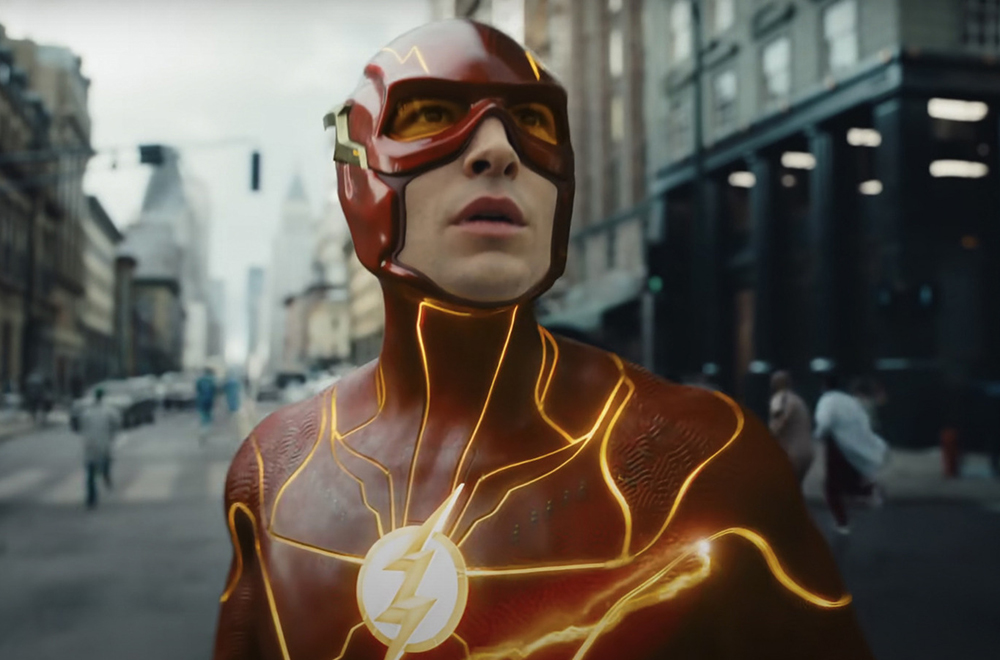
"The Flash," directed by Andy Muschietti, arrives with a weight of expectation. Years in development, plagued by behind-the-scenes controversies, and positioned as a potential reset button for the DC Extended Universe (DCEU), the film had a lot riding on its super-speedy shoulders. The result is a visually spectacular, emotionally resonant, and undeniably flawed experience that both delights and frustrates in equal measure. It’s a film that swings wildly between moments of genuine brilliance and stretches of perplexing narrative choices, leaving audiences with a complicated legacy.
A Multiverse of Mayhem and Memories:
The core premise of "The Flash" is rooted in the familiar comic book storyline "Flashpoint." Barry Allen (Ezra Miller), still grappling with the trauma of his mother’s murder and his father’s wrongful imprisonment, discovers that his powers allow him to travel through time. Driven by a desire to alleviate his personal pain, he impulsively travels back to the night of his mother’s death, preventing the tragic event. However, his tampering with the timeline creates a branching reality, a fractured multiverse where familiar faces are altered, new threats emerge, and the consequences of his actions are far more devastating than he could have imagined.
This new timeline is a distorted mirror of the one Barry knows. General Zod (Michael Shannon) returns to Earth, threatening global annihilation, but the Justice League is nowhere to be found. Instead, Barry encounters a younger, more inexperienced version of himself (also played by Ezra Miller) who is still discovering his powers and lacks the emotional maturity of his older counterpart. He also finds a different version of Supergirl (Sasha Calle), a Kryptonian warrior held captive by the government, and, most significantly, a Batman (Michael Keaton) who has retired from crime-fighting decades ago.
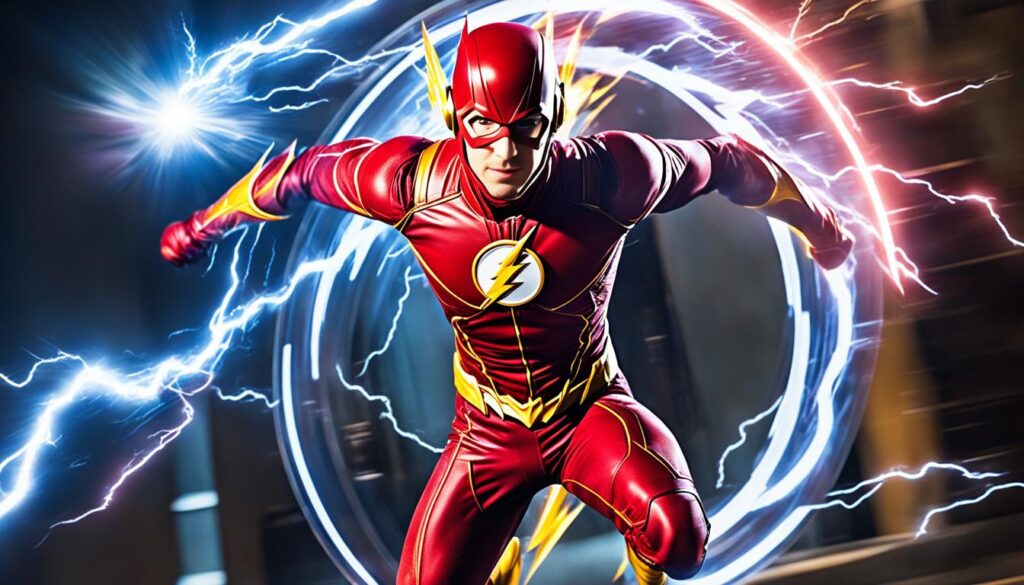
The film’s greatest strength lies in its exploration of the multiverse concept. Muschietti and the writers (Christina Hodson, Joby Harold, and John Francis Daley & Jonathan Goldstein) embrace the inherent absurdity and potential for spectacle that comes with alternate realities. The visual representation of the Speed Force, the extradimensional energy source that powers the Flash, is breathtaking. Time travel sequences are rendered with dazzling effects, showcasing the chaotic and fluid nature of temporal paradoxes. The film also cleverly utilizes visual cues and subtle details to highlight the differences between the various timelines, creating a sense of disorientation and unease that reflects Barry’s own confusion.
Keaton’s Triumphant Return:
Undoubtedly, one of the biggest draws of "The Flash" is the return of Michael Keaton as Batman. Decades after his iconic portrayal in Tim Burton’s films, Keaton effortlessly slips back into the role, imbuing the character with a world-weariness and sardonic wit that only time can provide. His Batman is older, more jaded, and physically slower, but his intelligence and strategic brilliance remain undiminished. Keaton’s performance is a masterclass in understated heroism, offering a poignant reminder of the enduring appeal of the character. His presence injects a much-needed dose of gravitas and emotional depth into the film, providing a compelling counterpoint to Barry’s youthful impulsiveness. The dynamic between Keaton’s Batman and both versions of the Flash is a highlight, providing both comedic moments and heartfelt interactions. Seeing Keaton back in the cowl, dispensing wisdom and kicking butt, is pure fan service done right.
Miller’s Double Duty:
Ezra Miller faces a considerable challenge in portraying two distinct versions of Barry Allen. While they manage to differentiate the two characters, the effectiveness of their performance is somewhat inconsistent. The older Barry is portrayed with a mix of vulnerability, determination, and self-deprecating humor, reflecting his emotional baggage and his desire to do the right thing. However, the younger Barry often veers into irritating territory. His immaturity, naivete, and tendency towards slapstick humor can be grating, particularly in contrast to the seriousness of the overall situation. While the intention is likely to create a comedic foil and highlight the older Barry’s growth, the younger Barry sometimes feels more like a caricature than a fully realized character. That said, Miller does showcase impressive physical comedy and manages to convey the emotional core of both versions of the character.
Supergirl’s Potential, Underexplored:

Sasha Calle’s Supergirl is a welcome addition to the DCEU, bringing a fierce and determined energy to the role. Her portrayal is physically imposing and emotionally resonant, showcasing the character’s strength and vulnerability. However, Supergirl’s role in the film feels somewhat underdeveloped. She is introduced as a powerful force, but her backstory and motivations are only briefly explored. While she has some memorable action sequences, her character arc feels rushed and incomplete. Given her potential and the need for strong female characters in the DCEU, Supergirl deserved a more substantial role in the narrative.
Visual Spectacle and Action Prowess:
"The Flash" is undoubtedly a visually impressive film. The special effects are generally top-notch, particularly in the Speed Force sequences and the time travel scenes. The action sequences are fast-paced, creative, and often exhilarating. Muschietti demonstrates a keen eye for visual storytelling, utilizing slow-motion, rapid cuts, and dynamic camera angles to heighten the sense of speed and chaos. The film also features some genuinely inventive uses of the Flash’s powers, showcasing his ability to manipulate time and space in unique and exciting ways. However, the reliance on CGI is sometimes excessive, particularly in the final battle, which can feel somewhat weightless and disconnected.
Narrative Stumbles and Inconsistencies:
Despite its strengths, "The Flash" suffers from several significant narrative flaws. The plot becomes convoluted and confusing at times, particularly when dealing with the intricacies of time travel and alternate realities. The film introduces numerous plot threads and characters, but many of them are left unresolved or underdeveloped. The motivations of some characters, particularly General Zod, feel simplistic and lacking in nuance.
Furthermore, the film’s attempts at humor sometimes fall flat, particularly when they undermine the emotional stakes of the story. The tonal shifts can be jarring, creating a sense of inconsistency that detracts from the overall impact of the film. The ending, in particular, is problematic. While it attempts to offer a sense of closure and hope, it also raises numerous questions and creates new paradoxes that are never adequately addressed. The cameo appearance at the very end feels tacked on and ultimately undermines the emotional weight of the story.
The DCEU’s Uncertain Future:
"The Flash" was intended to be a pivotal film in the DCEU, potentially resetting the timeline and paving the way for a new direction. However, the film’s mixed reception and the ongoing changes at Warner Bros. Discovery have cast doubt on the future of the franchise. While "The Flash" offers some exciting possibilities for future stories, it also highlights the inherent challenges of building a cohesive and compelling cinematic universe. The film’s reliance on nostalgia and fan service, while initially appealing, ultimately feels like a crutch that prevents it from forging its own unique identity.
Conclusion: A Flawed but Entertaining Ride:
"The Flash" is a flawed but ultimately entertaining film. It’s a visual spectacle with some genuinely thrilling action sequences and a standout performance by Michael Keaton. However, it’s also hampered by a convoluted plot, inconsistent character development, and a reliance on nostalgia that sometimes overshadows its own potential. The film’s strengths and weaknesses are intertwined, creating a complex and contradictory experience. While it may not be the definitive Flash movie that many fans were hoping for, it’s still a worthwhile cinematic experience, particularly for those who appreciate the multiverse concept and the return of a beloved Batman. "The Flash" is a speeding bullet that occasionally veers off course, but it’s still a ride worth taking, albeit with a healthy dose of skepticism. It earns a 3 out of 5 stars. The visual effects and Keaton’s performance elevate it, but the narrative issues and inconsistent tone hold it back from true greatness. It’s a film that will likely be debated and dissected by fans for years to come, a testament to its ambition and its inherent flaws. Ultimately, "The Flash" is a reminder that even the fastest man alive can’t outrun the complexities of time travel and the challenges of building a successful cinematic universe.

