“Godzilla Minus One: A Devastatingly Human Masterpiece
Introduction
We’re thrilled to take a closer look at the fascinating topic of Godzilla Minus One: A Devastatingly Human Masterpiece. Come along as we weave together insightful information and offer fresh perspectives for our readers.
Godzilla Minus One: A Devastatingly Human Masterpiece
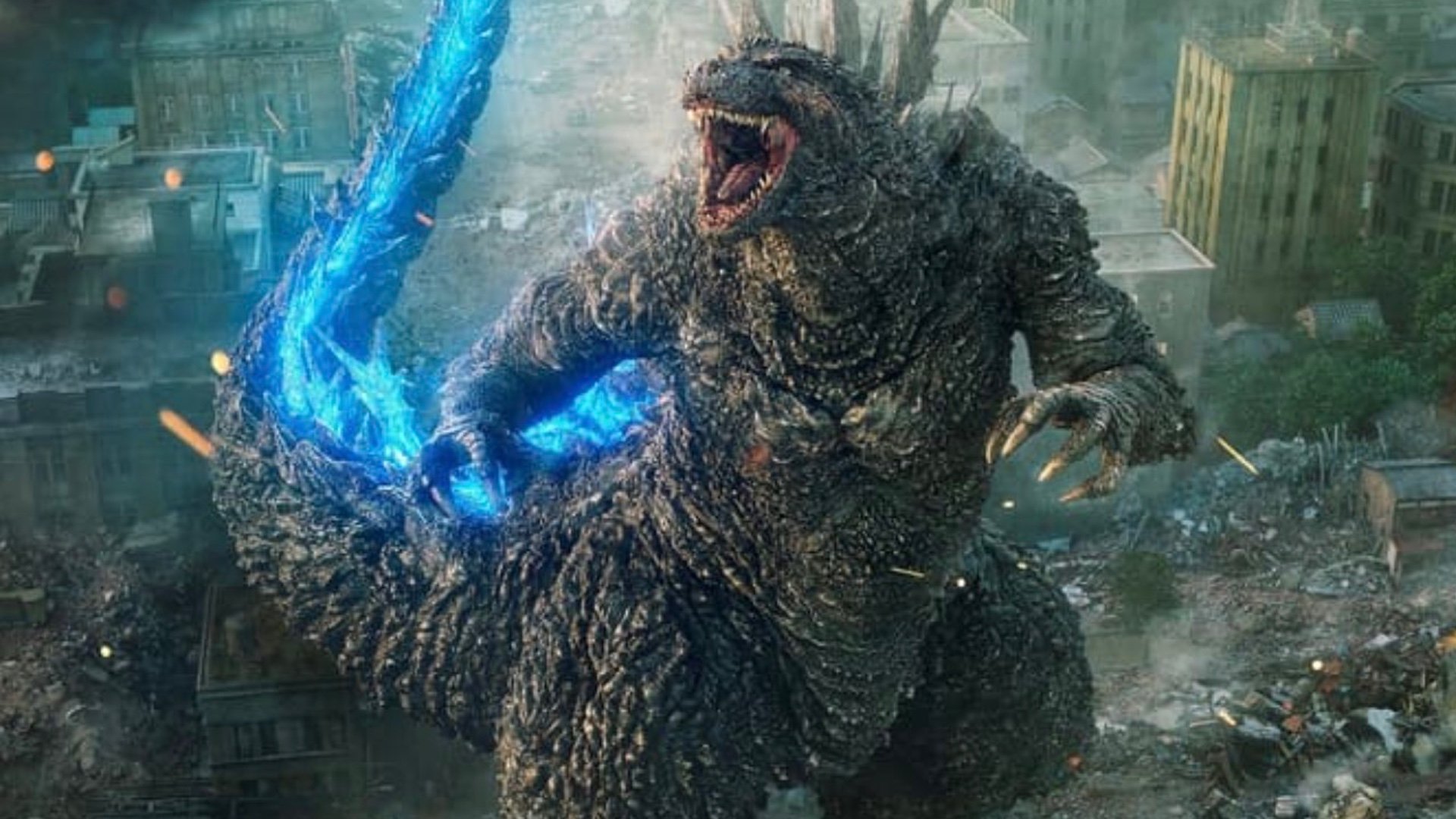
Godzilla Minus One, directed and written by Takashi Yamazaki, isn’t just another entry in the long-running Godzilla franchise; it’s a profound and deeply affecting cinematic experience that transcends its monster movie trappings. Set in post-World War II Japan, a nation reeling from unimaginable loss and struggling to rebuild, the film weaves a powerful narrative of trauma, guilt, and the enduring strength of the human spirit against the backdrop of a terrifying, primordial force. It’s a film that respects the legacy of Godzilla while forging its own identity, delivering a visually stunning and emotionally resonant story that lingers long after the credits roll.
The film’s brilliance lies in its deliberate and masterful character development. We are introduced to Koichi Shikishima (Ryunosuke Kamiki), a kamikaze pilot who, crippled by fear, disobeys his orders and lands his plane on Odo Island. There, he encounters Godzilla for the first time, a far smaller and less destructive version than the behemoth he will eventually face. Haunted by his perceived cowardice and the deaths of the mechanics on the island, Shikishima returns to a devastated Tokyo, burdened by survivor’s guilt and a profound sense of worthlessness.
Kamiki’s performance is nothing short of extraordinary. He portrays Shikishima with a raw vulnerability and a quiet intensity that perfectly captures the character’s internal struggle. His eyes reflect the horrors he has witnessed and the crushing weight of his perceived failures. He’s not a heroic figure in the traditional sense; he’s a broken man desperately searching for redemption, a reason to live in a world that seems to have lost all meaning.
Shikishima’s life takes an unexpected turn when he encounters Noriko Oishi (Minami Hamabe), a young woman who has taken in an orphaned baby, Akiko. They form an unconventional family unit, finding solace and purpose in caring for each other. Noriko, played with remarkable strength and tenderness by Hamabe, becomes Shikishima’s anchor, a source of hope in the darkness. Their relationship is beautifully nuanced, evolving from a practical arrangement into a deep and abiding love. Akiko, the innocent child, represents the future, a symbol of the resilience and the enduring promise of life.
The supporting cast is equally compelling. Yuki Yamada delivers a memorable performance as Kenji Noda, a former navy engineer who lost his family in the war and dedicates himself to finding a way to stop Godzilla. He embodies the spirit of ingenuity and determination that characterized post-war Japan, refusing to be defeated by the seemingly insurmountable odds. Munetaka Aoki shines as Sosaku Tachibana, Shikishima’s gruff but ultimately supportive neighbor, a man who understands the burden of guilt and offers a path towards healing. Hidetaka Yoshioka portrays Dr. Taniguchi, a brilliant but disillusioned scientist who grapples with the ethical implications of his work. Each character is meticulously crafted, adding depth and texture to the film’s rich tapestry.
Yamazaki’s direction is masterful, seamlessly blending the intimate human drama with the awe-inspiring spectacle of Godzilla’s destructive power. The film’s pacing is deliberate, allowing the audience to fully invest in the characters and their emotional journeys before unleashing the full force of the monster. The scenes of everyday life in post-war Tokyo are meticulously rendered, capturing the atmosphere of hardship and resilience that defined the era. The film doesn’t shy away from depicting the devastation caused by the war, showing the bombed-out buildings, the makeshift shelters, and the pervasive sense of loss that permeated Japanese society.
When Godzilla finally appears in his full, monstrous glory, the effect is truly terrifying. The visual effects are breathtaking, creating a Godzilla that is both physically imposing and emotionally expressive. This isn’t just a mindless beast; it’s a creature of immense power and rage, a force of nature unleashed upon a vulnerable world. The film’s depiction of Godzilla’s atomic breath is particularly chilling, a searing blast of energy that obliterates everything in its path.
The action sequences are expertly choreographed and visually stunning, but they are never gratuitous. They serve to highlight the vulnerability of the human characters and the sheer scale of the threat they face. The film doesn’t rely on mindless destruction; instead, it focuses on the human cost of Godzilla’s attacks, showing the devastation he inflicts on the lives of ordinary people.
Godzilla Minus One also distinguishes itself through its powerful thematic resonance. The film explores themes of trauma, guilt, redemption, and the enduring power of the human spirit. Shikishima’s journey is a metaphor for Japan’s own struggle to heal from the wounds of war. He is haunted by his past, but he ultimately finds the strength to confront his demons and embrace the future. The film suggests that even in the face of unimaginable loss, hope and healing are possible.
The film also offers a subtle critique of militarism and the futility of war. Shikishima’s experience as a kamikaze pilot highlights the dehumanizing effects of propaganda and the psychological toll of being forced to sacrifice oneself for a cause. The film suggests that true heroism lies not in blind obedience but in the courage to question authority and to choose life over death.

Furthermore, the film delves into the ethical implications of scientific advancement. Dr. Taniguchi’s research into nuclear energy, while intended to benefit humanity, ultimately unleashes a force of unimaginable destruction. The film raises questions about the responsibility of scientists to consider the potential consequences of their work and the dangers of unchecked technological progress.
One of the most striking aspects of Godzilla Minus One is its portrayal of collective action. The efforts to defeat Godzilla are not driven by individual heroism but by the combined efforts of a diverse group of people, each contributing their unique skills and knowledge. Former soldiers, engineers, scientists, and ordinary citizens come together to face a common threat, demonstrating the power of unity and cooperation. This collective spirit is a testament to the resilience of the Japanese people and their ability to overcome adversity.
The film’s score, composed by Naoki Sato, is another standout element. It perfectly complements the film’s visuals and emotional tone, enhancing the sense of dread, awe, and hope. The score incorporates elements of traditional Japanese music, adding a cultural layer to the film’s already rich tapestry.
While Godzilla Minus One is a visually stunning and emotionally powerful film, it is not without its minor flaws. Some viewers may find the pacing to be slow at times, particularly in the first act. However, the deliberate pacing is essential for establishing the characters and their emotional journeys. Additionally, some of the dialogue may feel a bit expositional at times, but this is a minor quibble in an otherwise masterful film.
In conclusion, Godzilla Minus One is a triumph of filmmaking. It’s a visually stunning, emotionally resonant, and thematically rich film that transcends its genre. It’s a powerful meditation on trauma, guilt, redemption, and the enduring strength of the human spirit. The film’s masterful character development, breathtaking visual effects, and haunting score combine to create a truly unforgettable cinematic experience. It’s a film that will stay with you long after the credits roll, prompting you to reflect on the nature of humanity, the cost of war, and the enduring power of hope. This is not just a great Godzilla movie; it’s a great movie, period. It’s a must-see for fans of the franchise and for anyone who appreciates intelligent, thought-provoking, and deeply moving cinema. Godzilla Minus One sets a new standard for monster movies, proving that they can be both spectacular and profoundly human. It’s a film that earns its place among the best entries in the Godzilla canon and a testament to the enduring power of Japanese cinema. The film’s ending, while offering a glimmer of hope, is also subtly unsettling, leaving the audience to contemplate the lingering effects of trauma and the uncertain future that lies ahead. This ambiguity only adds to the film’s power and resonance. It’s a 5/5 star film, a true masterpiece.
