“139. John Wick 4
Introduction
We’re thrilled to take a closer look at the fascinating topic of 139. John Wick 4. Let’s weave together insightful information and offer fresh perspectives for our readers.
Okay, here’s a comprehensive review of John Wick: Chapter 4, aiming for around 1600 words. I’ve tried to capture the nuances of the film, balancing appreciation for its strengths with critical observations.

Review: John Wick: Chapter 4 – An Exquisite Ballet of Violence and World-Building Culmination
John Wick: Chapter 4 arrives not as a mere sequel, but as a culmination. It’s the crescendo of a saga that has steadily built a meticulously crafted underworld of assassins, codes, and consequences. Director Chad Stahelski, alongside returning writer Derek Kolstad (with Shay Hatten and Michael Finch), delivers a film that is both a visually stunning spectacle of action choreography and a surprisingly poignant exploration of freedom, loyalty, and the yearning for peace. While clocking in at a substantial runtime, Chapter 4 justifies its length by expanding the franchise’s lore, introducing compelling new characters, and pushing the boundaries of action cinema to near-operatic heights.
The film picks up where Chapter 3 – Parabellum left off. John Wick (Keanu Reeves), having defied the High Table, is now a marked man with a seemingly insurmountable bounty on his head. His resources are dwindling, his allies are scattered, and the High Table, represented by the ruthlessly efficient Marquis Vincent de Gramont (Bill Skarsgård), is determined to make an example of him to reinforce their authority. The Marquis, a chillingly calm and calculating antagonist, systematically dismantles Wick’s support network, targeting the Continental Hotels and those who dared to aid him. This includes Winston (Ian McShane), the enigmatic manager of the New York Continental, and Charon (Lance Reddick, in a performance that resonates with heartfelt respect given his recent passing), the hotel’s steadfast concierge.
Wick, seeking a path to freedom, is forced to invoke an ancient rule: challenging the Marquis to a duel. The path to this duel, however, is fraught with peril, leading him on a globe-trotting odyssey from Osaka to Berlin to Paris, encountering a diverse cast of allies and enemies along the way. This journey is not merely a series of action set pieces; it’s a pilgrimage, a descent into the deeper layers of the assassin underworld, and a reflection on the cost of Wick’s choices.
Action as Art: Choreography and Visual Spectacle
The John Wick franchise has always been lauded for its innovative and visceral action sequences, and Chapter 4 elevates this aspect to an art form. Stahelski, a former stuntman himself, understands the language of movement and violence. The action is not just about explosions and gunfire; it’s about precision, fluidity, and the brutal beauty of martial arts. Each fight scene is meticulously choreographed, showcasing a variety of combat styles, from gun-fu to knife fighting to hand-to-hand combat, often seamlessly blended together.
The Osaka Continental sequence, bathed in neon light and punctuated by the clash of katanas, is a visual feast. The introduction of Akira (Rina Sawayama), the daughter of the Osaka Continental’s manager Shimazu (Hiroyuki Sanada), adds a new dimension to the action, showcasing her own lethal skills and unwavering loyalty. The Berlin nightclub scene is a pulsating, adrenaline-fueled onslaught, where Wick navigates a labyrinthine dance floor while fending off waves of attackers.
However, the standout sequence, and perhaps the most memorable in the entire franchise, is the "Dragon’s Breath" scene in Paris. Shot from an overhead perspective, this sequence transforms the action into a strategic ballet. Wick, armed with a shotgun firing incendiary rounds, systematically clears rooms, the camera following his movements like a tactical drone. The top-down view allows the audience to appreciate the spatial awareness and planning involved in Wick’s approach, turning the carnage into a strangely elegant display of controlled chaos. It’s a masterclass in visual storytelling, demonstrating how perspective can completely transform the perception of action.
The film also incorporates a wider range of environments, utilizing the unique architecture and cultural elements of each location to enhance the action. The Arc de Triomphe sequence, a chaotic intersection of cars and assassins, is a thrilling example of how the film integrates real-world locations into its action design. The final staircase ascent to the Sacré-Cœur Basilica, a grueling gauntlet of relentless opponents, is a visceral and symbolic representation of Wick’s struggle against overwhelming odds.
Expanding the World: New Characters and Lore
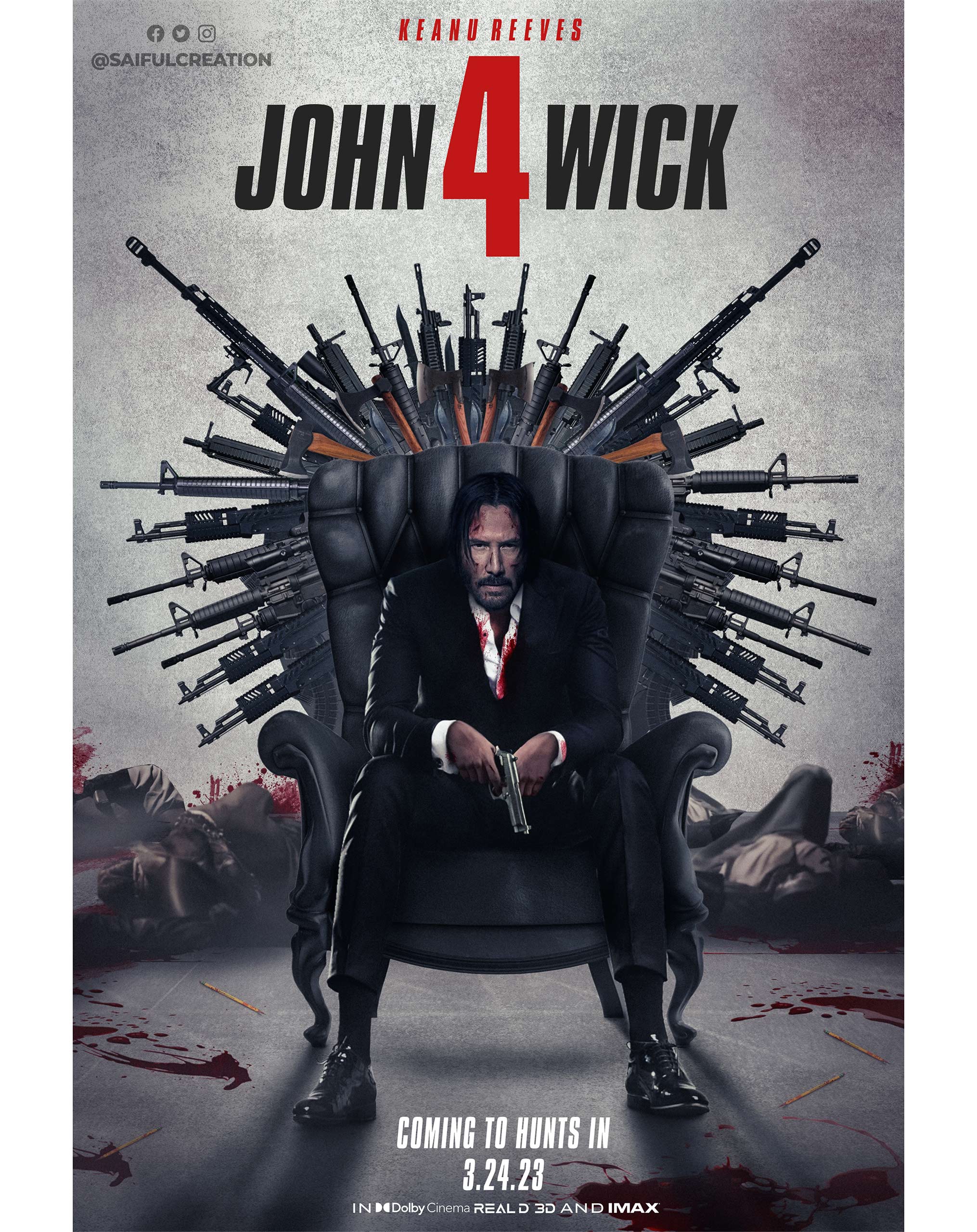
Chapter 4 isn’t just about relentless action; it also expands the rich tapestry of the John Wick universe. The introduction of new characters adds depth and complexity to the narrative, providing fresh perspectives on the established rules and codes of the assassin underworld.
The Marquis Vincent de Gramont, played with chilling composure by Bill Skarsgård, is a compelling antagonist. He’s not simply a brute force; he’s a strategist, a manipulator, and a symbol of the High Table’s cold, bureaucratic power. His motivations are rooted in maintaining order and crushing dissent, making him a formidable and believable adversary.
Donnie Yen’s Caine, a blind assassin and old friend of Wick, is a particularly memorable addition. His blindness is not a weakness but a unique strength, forcing him to rely on his other senses and his profound understanding of combat. Caine is bound by the High Table, forced to hunt Wick to protect his daughter. His internal conflict, torn between loyalty and friendship, adds a layer of moral ambiguity to the film. Yen’s performance is both graceful and deadly, showcasing his mastery of martial arts and his ability to convey complex emotions through subtle gestures.
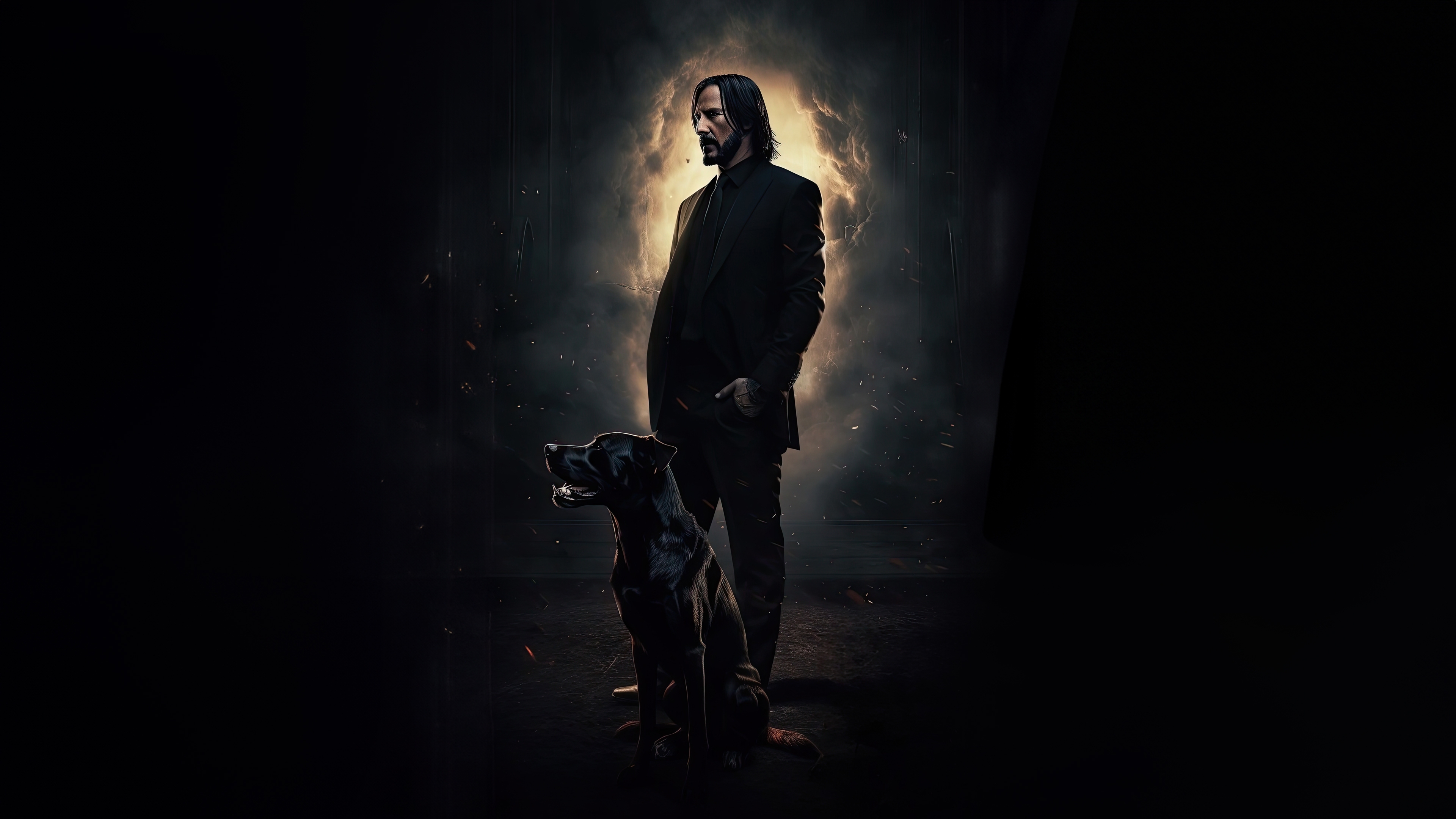
Shamier Anderson’s Tracker, a mysterious bounty hunter with a loyal canine companion, provides a more morally ambiguous perspective. He’s motivated by profit, but he also possesses a certain code of honor. His interactions with Wick are often tense but ultimately respectful, highlighting the complex relationships that exist within the assassin underworld.
These new characters, along with the returning cast, enrich the world of John Wick, making it feel more lived-in and believable. The film delves deeper into the history and traditions of the High Table, exploring the ancient rules and rituals that govern the lives of assassins. The introduction of the concept of "family" and the importance of lineage adds another layer of complexity to the narrative, suggesting that Wick’s struggle is not just about personal survival but also about challenging the established order.
Themes of Freedom, Loyalty, and Sacrifice
Beneath the surface of the stylized violence, John Wick: Chapter 4 explores profound themes of freedom, loyalty, and sacrifice. Wick’s relentless pursuit of freedom is not just about escaping the High Table; it’s about reclaiming his agency and choosing his own destiny. He’s tired of being a pawn in a game he didn’t create, and he’s willing to risk everything to break free.
The film also examines the complexities of loyalty. Characters are forced to make difficult choices, torn between their allegiance to the High Table and their personal relationships. Caine’s internal conflict, Winston’s unwavering support for Wick, and even Tracker’s pragmatic approach to his profession all highlight the different ways in which loyalty can be tested and redefined.
Sacrifice is a recurring motif throughout the film. Characters are willing to sacrifice their lives, their freedom, and their well-being for the sake of others. Charon’s unwavering dedication to the Continental, Shimazu’s defense of his daughter, and Wick’s willingness to face certain death all underscore the importance of sacrifice in the face of adversity. The film suggests that true freedom is not just about escaping constraints but also about making meaningful sacrifices for the things you believe in.
Pacing and Runtime: A Justified Length?
One of the main criticisms leveled against John Wick: Chapter 4 is its substantial runtime. Clocking in at nearly three hours, the film certainly demands a significant investment of time from the viewer. However, the length is largely justified by the scope and ambition of the film.
The extended runtime allows for a more deliberate pace, allowing the action sequences to breathe and the characters to develop. The globe-trotting narrative requires time to unfold, and the film takes its time to establish the stakes and introduce new characters. The extended action sequences, while intense, are also intricately choreographed and visually stunning, rewarding the viewer’s patience.
While some may argue that certain scenes could have been trimmed, the overall pacing is well-managed, and the film rarely feels sluggish. The diverse locations, the compelling characters, and the thematic depth all contribute to a rich and immersive experience that justifies the length.
Keanu Reeves: The Embodiment of John Wick
Keanu Reeves is, quite simply, John Wick. He embodies the character with a physicality and emotional depth that is truly remarkable. His dedication to the role is evident in his commitment to the action choreography, performing many of his own stunts. Reeves conveys Wick’s stoicism, his grief, and his unwavering determination with subtle nuances, making him a compelling and relatable protagonist.
He’s not just an action star; he’s an actor who understands the character’s inner turmoil. The film allows Reeves to showcase a wider range of emotions, from quiet contemplation to explosive rage. His performance is the anchor of the film, grounding the stylized violence in a sense of human vulnerability.
Conclusion: A Triumph of Action Cinema and World-Building
John Wick: Chapter 4 is a triumph of action cinema and a masterful culmination of the franchise’s world-building. It’s a visually stunning, relentlessly entertaining, and surprisingly poignant film that pushes the boundaries of the genre. The action choreography is breathtaking, the new characters are compelling, and the themes of freedom, loyalty, and sacrifice resonate deeply.
While the runtime may be a concern for some, the film justifies its length with its scope, ambition, and depth. Keanu Reeves delivers a masterful performance, solidifying his status as an action icon. John Wick: Chapter 4 is not just a sequel; it’s a cinematic event, a must-see for fans of action cinema and a fitting conclusion (or perhaps a new beginning) to the Baba Yaga’s saga. It earns a well-deserved 9/10. The film leaves you both exhausted and exhilarated, pondering the price of freedom and the enduring power of human connection in a world consumed by violence. The legacy of John Wick is secure.
