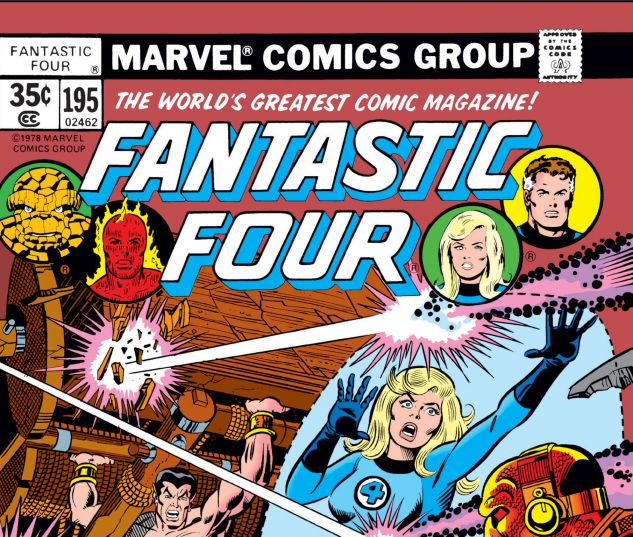
“195. Fantastic Four
Introduction
On this special occasion, we are delighted to explore the fascinating topic of 195. Fantastic Four. Let’s weave together insightful information and offer fresh perspectives for our readers.
Okay, here’s a comprehensive review of the 2015 Fantastic Four film, aiming for approximately 1600 words. I’ve tried to be thorough and balanced, covering various aspects of the film and its reception.

195: Fantastic Four – A Misguided Experiment in Superhero Cinema
Josh Trank’s 2015 Fantastic Four reboot was, to put it mildly, a critical and commercial disaster. Intended to revitalize Marvel’s First Family for a new generation, it instead became a cautionary tale of studio interference, troubled production, and a fundamental misunderstanding of the source material. While glimmers of potential occasionally flicker beneath the surface, the film ultimately fails to deliver a compelling superhero origin story, marred by a sluggish pace, underdeveloped characters, and a jarring tonal inconsistency. It’s a film that promised a grounded, science-driven approach to the Fantastic Four, but instead delivered a muddled and ultimately unsatisfying experience.
A Promising Premise, Derailed Execution:
The film’s premise, initially, held a certain appeal. It aimed to ground the Fantastic Four in a more realistic, scientifically plausible setting. Instead of cosmic rays, the origin story revolved around a quantum gate that allows travel to another dimension, referred to as "Planet Zero." This dimension, a hostile and alien landscape, is the source of the team’s powers. This approach, in theory, could have offered a fresh and intriguing take on the familiar origin story.
The early scenes, focusing on the young Reed Richards (Miles Teller) and Ben Grimm (Jamie Bell) building a teleportation device in Reed’s garage, are arguably the strongest part of the film. They establish a believable friendship between the two boys and highlight Reed’s prodigious intellect and unwavering determination. This emphasis on scientific ingenuity and collaboration is a core element of the Fantastic Four’s DNA, and these early scenes suggested that the film might be on the right track.
However, the film quickly loses its way once Reed is recruited into the Baxter Foundation, a government-funded institution for gifted young scientists. Here, he meets Sue Storm (Kate Mara), a brilliant but somewhat detached scientist, and Johnny Storm (Michael B. Jordan), Sue’s rebellious and thrill-seeking brother. The addition of Victor Von Doom (Toby Kebbell), a brilliant but antisocial programmer, completes the core group.
The film spends a considerable amount of time establishing these characters and their scientific pursuits. While this character development is necessary, the execution is often lacking. The dialogue is often clunky and exposition-heavy, and the relationships between the characters feel forced and underdeveloped. The film struggles to create a sense of genuine camaraderie or connection between the future Fantastic Four.
The Transformation and its Aftermath:
The central event of the film, the team’s unauthorized trip to Planet Zero, is rushed and poorly executed. The sequence is visually underwhelming, and the transformation itself lacks the dramatic weight it deserves. The aftermath of the transformation is equally problematic. Instead of focusing on the characters grappling with their newfound powers and the implications for their lives, the film jumps forward in time, skipping over a crucial period of adjustment and training.
This time jump is a significant misstep, as it robs the audience of the opportunity to witness the team learning to control their powers and developing their teamwork. It also undermines the emotional impact of the transformation, as the characters seem to have largely adjusted to their new abilities off-screen.
A Villain Problem:
Victor Von Doom, a character with a rich and complex history in the comics, is arguably the film’s biggest disappointment. Toby Kebbell’s portrayal of Doom is bland and uninspired, lacking the charisma, intelligence, and sheer menace that define the character. His motivations are unclear, and his transformation into the villainous Doctor Doom feels abrupt and unearned.
The film fails to establish Doom as a credible threat. His powers are vaguely defined, and his plan for world domination is poorly articulated. The climactic battle between the Fantastic Four and Doctor Doom is anticlimactic and visually unappealing. It lacks the scale and excitement that one would expect from a superhero showdown.
Tonal Inconsistencies and Studio Interference:
One of the most significant criticisms leveled against the film is its tonal inconsistency. The early scenes attempt to create a grounded and realistic atmosphere, while the later scenes veer into more conventional superhero territory. This tonal shift feels jarring and undermines the film’s overall coherence.
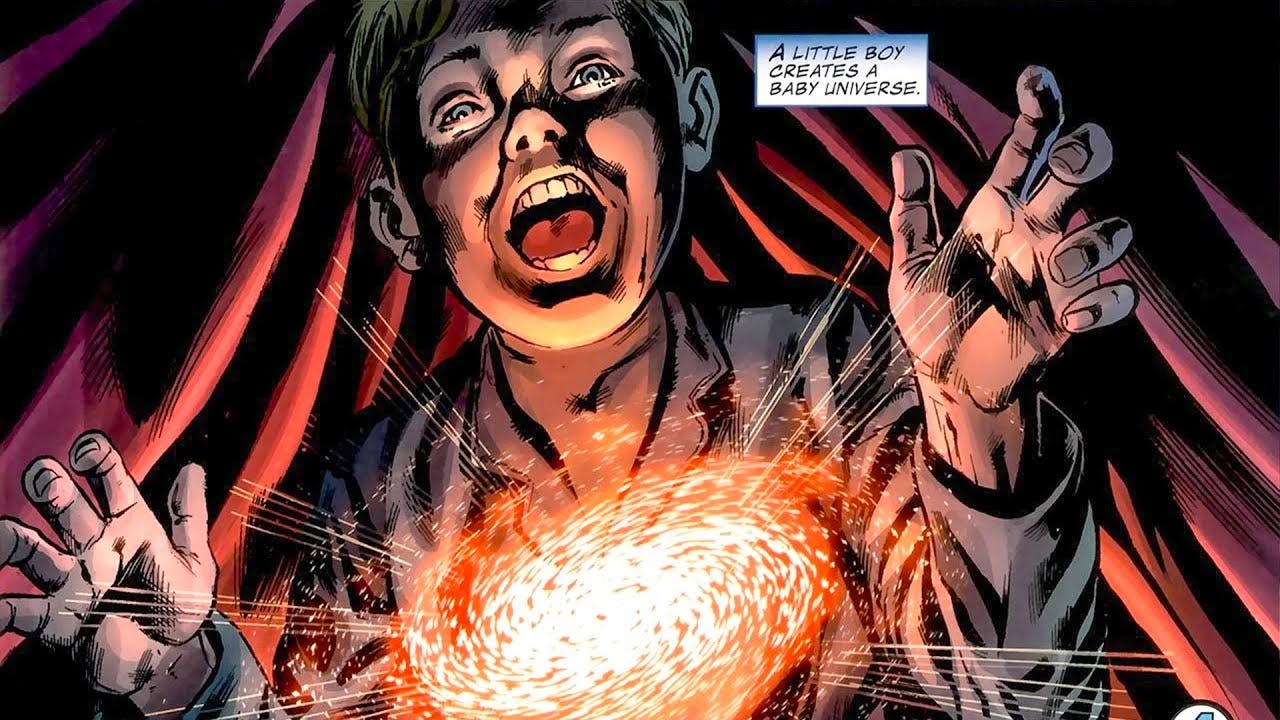
Reports of extensive studio interference during production further explain the film’s inconsistencies. Director Josh Trank has publicly disavowed the final product, claiming that the studio significantly altered his vision for the film. These reports suggest that the film was caught in a tug-of-war between Trank’s desire for a darker, more realistic approach and the studio’s desire for a more conventional superhero film.
The Performances:
The performances in Fantastic Four are generally unremarkable. Miles Teller, a talented actor, does his best with the material he’s given, but his portrayal of Reed Richards lacks the charisma and leadership qualities that define the character. Kate Mara’s Sue Storm is similarly underdeveloped, and her relationship with Reed feels forced and unconvincing.
Michael B. Jordan, who would later deliver a stellar performance as Killmonger in Black Panther, is the most engaging member of the cast. His portrayal of Johnny Storm is energetic and charismatic, but the character is ultimately underserved by the script. Jamie Bell’s Ben Grimm is sympathetic, but his transformation into the Thing is visually underwhelming, and the character’s emotional arc is truncated.
Visual Effects and Action Sequences:
The visual effects in Fantastic Four are surprisingly poor for a big-budget superhero film. The Thing’s design is particularly problematic, lacking the detail and texture that would make him a convincing physical presence. The action sequences are similarly underwhelming, lacking the creativity and excitement that one would expect from a superhero film.
The film’s visual style is drab and uninspired, further contributing to its overall sense of disappointment. The color palette is muted, and the cinematography lacks dynamism. The film simply doesn’t look like a superhero film, and this contributes to its failure to capture the imagination of the audience.
A Missed Opportunity:
Fantastic Four represents a significant missed opportunity for Marvel. The Fantastic Four are one of Marvel’s most iconic and beloved superhero teams, and they deserve a film adaptation that does justice to their rich history and complex characters. Unfortunately, the 2015 reboot fails to deliver on this promise.
The film’s problems stem from a combination of factors, including a troubled production, studio interference, and a fundamental misunderstanding of the source material. The film attempts to ground the Fantastic Four in a more realistic setting, but it ultimately sacrifices the sense of wonder and excitement that makes the team so appealing.
Conclusion:
195: Fantastic Four is a deeply flawed and ultimately unsatisfying film. It’s a film that promised a fresh and exciting take on the Fantastic Four, but instead delivered a muddled and uninspired experience. The film’s problems are numerous, including a sluggish pace, underdeveloped characters, a jarring tonal inconsistency, and underwhelming visual effects.
While the film may have had good intentions, it ultimately fails to capture the essence of the Fantastic Four. It’s a film that is best forgotten, and one that serves as a cautionary tale of the dangers of studio interference and a lack of vision. The film’s failure led to the rights reverting back to Marvel Studios, paving the way for a future, hopefully more successful, iteration of the Fantastic Four within the Marvel Cinematic Universe. Until then, the 2015 Fantastic Four remains a cinematic black mark on the legacy of Marvel’s First Family. It’s a film that tried to be different, but ultimately failed to be good. It prioritized a gritty realism that clashed with the inherent fantastical nature of the source material, resulting in a joyless and ultimately forgettable experience. The potential was there, buried beneath layers of studio meddling and creative missteps, but ultimately, it remained unrealized.
