“Godzilla Minus One: A Masterful Kaiju Epic of Trauma and Resilience
Introduction
We’re thrilled to take a closer look at the fascinating topic of Godzilla Minus One: A Masterful Kaiju Epic of Trauma and Resilience. Come along as we weave together insightful information and offer fresh perspectives for our readers.
Godzilla Minus One: A Masterful Kaiju Epic of Trauma and Resilience
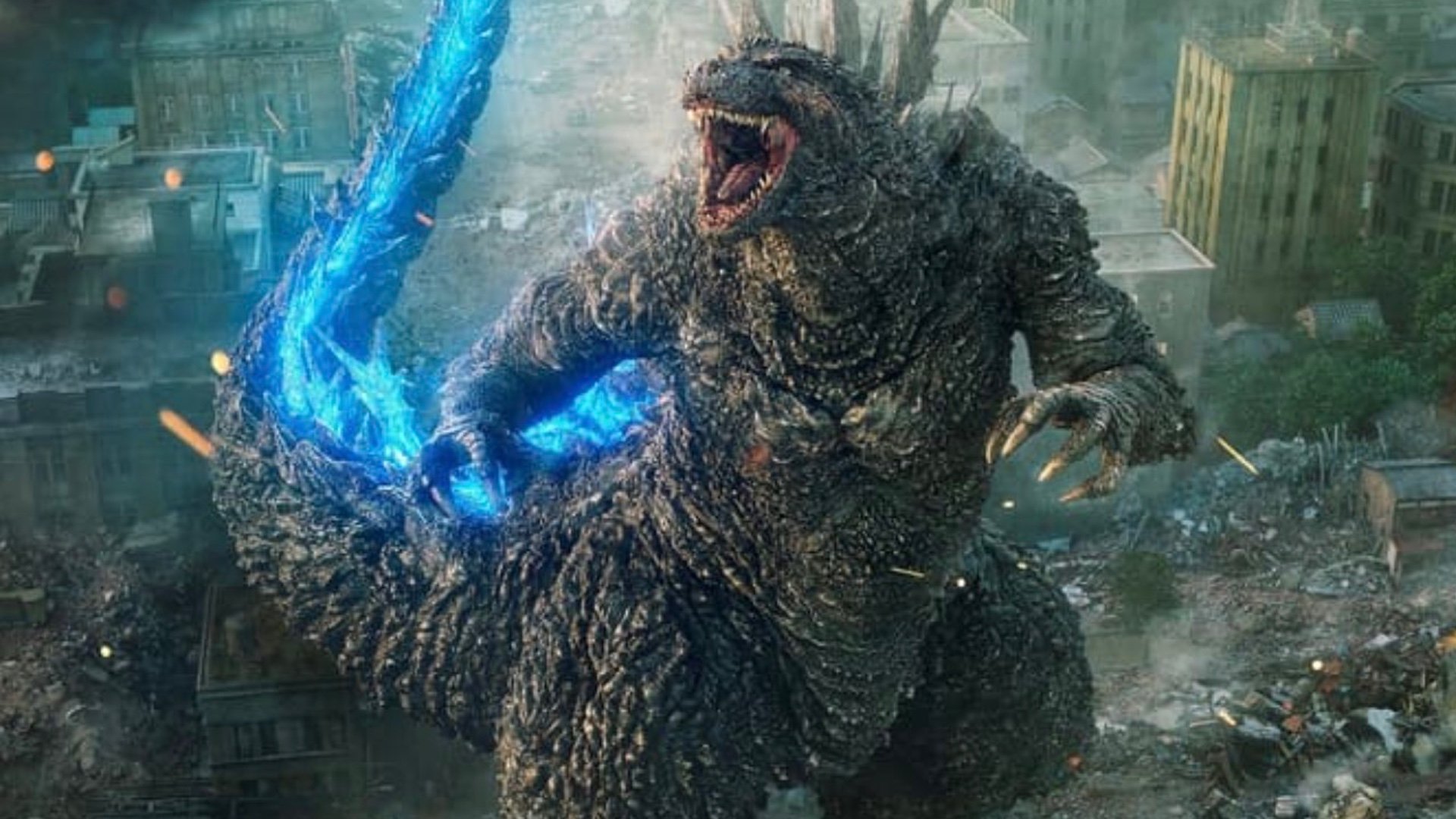
"Godzilla Minus One," the latest installment in the legendary Godzilla franchise, is not just another monster movie; it’s a profound and emotionally resonant cinematic experience that redefines the iconic kaiju for a new generation. Directed and written by Takashi Yamazaki, this film masterfully blends breathtaking visual effects with a deeply human story of post-war trauma, guilt, and the struggle for redemption. Set in a devastated Japan reeling from the aftermath of World War II, "Godzilla Minus One" delivers a powerful narrative that explores the psychological scars of war while showcasing Godzilla as a terrifying force of nature, a metaphor for the destructive potential within humanity itself.
A Return to Origins with a Modern Twist
Yamazaki’s approach to Godzilla is a refreshing return to the character’s roots as a symbol of nuclear devastation and the horrors of war. Unlike some recent iterations that have leaned into the monster’s heroic or protector role, "Godzilla Minus One" presents the kaiju as an unadulterated force of destruction. This portrayal is not simply about spectacle; it’s intrinsically linked to the film’s themes of trauma and societal collapse.
The film’s setting, post-war Japan, is crucial to understanding the narrative’s depth. The country is in ruins, both physically and emotionally. Its infrastructure is shattered, its economy is in shambles, and its people are grappling with immense loss and a profound sense of hopelessness. In this environment, Godzilla emerges as an additional layer of devastation, a force that threatens to obliterate what little remains of hope and resilience.
Characters Forged in the Crucible of War
At the heart of "Godzilla Minus One" is the story of Kōichi Shikishima, played with remarkable nuance by Ryunosuke Kamiki. Shikishima is a kamikaze pilot who, haunted by his failure to fulfill his mission during the war, carries a heavy burden of guilt and shame. His encounter with Godzilla on Odo Island, where he freezes in fear and fails to defend his comrades, further intensifies his inner turmoil.
Returning to Tokyo, Shikishima struggles to reintegrate into a society grappling with its own demons. He finds solace and a semblance of family in Noriko Ōishi (Minami Hamabe), a young woman who has also lost her family in the war, and Akiko, an orphaned infant she cares for. Their makeshift family becomes a symbol of hope amidst the despair, a testament to the human capacity for love and connection even in the face of unimaginable adversity.
The supporting characters in "Godzilla Minus One" are equally well-developed and contribute significantly to the film’s emotional depth. Kenji Noda (Hidetaka Yoshioka), a former weapons engineer, provides the scientific expertise needed to understand and combat Godzilla. Yūji Akitsu (Sadao Abe), a gruff but ultimately compassionate mechanic, represents the resilience and ingenuity of the Japanese people. These characters, each scarred by their wartime experiences, come together to confront the monster, not just as a threat to their survival but as a means of confronting their own inner demons.
Visual Spectacle with a Purpose
The visual effects in "Godzilla Minus One" are nothing short of spectacular. Yamazaki and his team have created a Godzilla that is both terrifying and awe-inspiring. The creature’s design is a masterful blend of classic and contemporary elements, capturing the essence of the iconic monster while adding new layers of detail and ferocity.
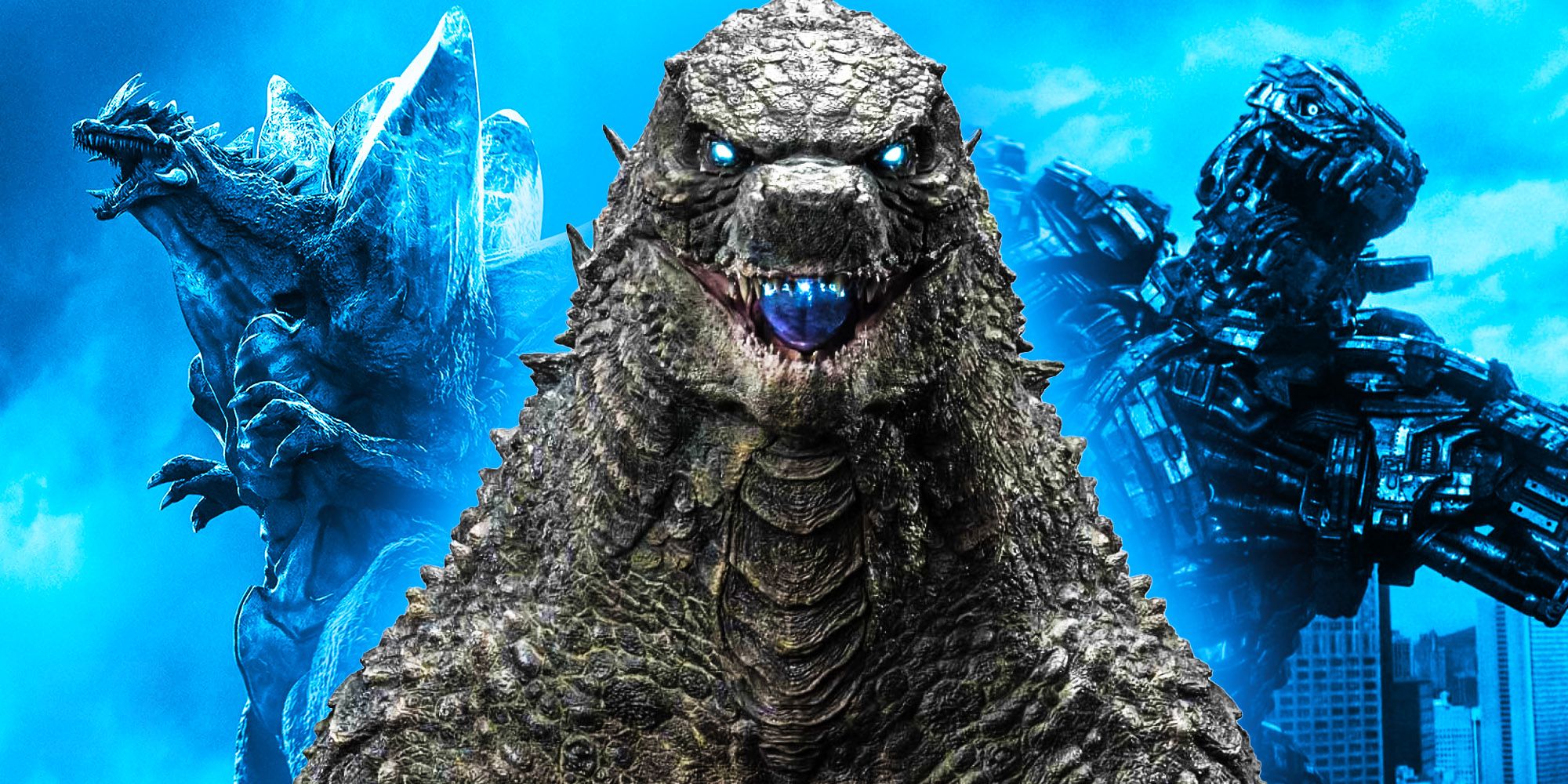
However, the visual effects are not merely gratuitous displays of CGI prowess. They are integral to the film’s storytelling, serving to underscore the scale of the devastation and the sheer power of Godzilla. The scenes of the monster wreaking havoc on Tokyo are particularly impactful, conveying the sense of helplessness and terror experienced by the characters.
Moreover, the film’s cinematography and production design contribute significantly to its overall aesthetic. The stark, desaturated color palette reflects the bleakness of the post-war landscape, while the meticulously recreated period details immerse the audience in the world of 1940s Japan.
Themes of Trauma, Guilt, and Redemption
"Godzilla Minus One" is not just a monster movie; it’s a profound exploration of the psychological impact of war. The film delves into the themes of trauma, guilt, and the struggle for redemption, offering a nuanced portrayal of characters grappling with the emotional scars of their past.
Shikishima’s journey is central to this exploration. His guilt over surviving the war while others perished haunts him throughout the film. His encounter with Godzilla becomes a catalyst for him to confront his inner demons and find a way to atone for his perceived failures.
The film also examines the collective trauma of the Japanese people in the aftermath of the war. The devastation of Hiroshima and Nagasaki, the loss of loved ones, and the economic hardship all contribute to a pervasive sense of despair. Godzilla, in this context, becomes a symbol of the lingering trauma, a manifestation of the destructive forces that have ravaged the nation.
However, "Godzilla Minus One" is not a purely bleak and pessimistic film. It also offers a message of hope and resilience. The characters’ willingness to come together to confront Godzilla, their determination to rebuild their lives, and their capacity for love and compassion demonstrate the enduring strength of the human spirit.
A Masterful Blend of Genres
"Godzilla Minus One" seamlessly blends elements of the kaiju genre with those of war drama and psychological thriller. The film’s action sequences are thrilling and visually stunning, but they are always grounded in the emotional realities of the characters. The quieter, more introspective moments are equally compelling, offering insights into the characters’ inner lives and their struggles to cope with trauma.
This genre-bending approach is one of the film’s greatest strengths. It elevates "Godzilla Minus One" beyond the typical monster movie, making it a thought-provoking and emotionally resonant cinematic experience.
Comparisons to Other Godzilla Films
"Godzilla Minus One" stands apart from many other films in the Godzilla franchise due to its focus on character development and its exploration of complex themes. While some Godzilla movies have prioritized spectacle over substance, "Godzilla Minus One" strikes a perfect balance between the two.
The film draws inspiration from the original 1954 "Godzilla," which also used the monster as a metaphor for nuclear devastation. However, "Godzilla Minus One" takes this concept to a new level, delving deeper into the psychological impact of war and offering a more nuanced portrayal of its characters.
In comparison to the recent American Godzilla films, "Godzilla Minus One" is a more grounded and emotionally resonant experience. While the American films have focused on large-scale battles and epic monster clashes, "Godzilla Minus One" prioritizes the human story, making the monster’s actions all the more impactful.
Conclusion: A Triumph of Kaiju Cinema
"Godzilla Minus One" is a triumph of kaiju cinema, a film that seamlessly blends breathtaking visual effects with a deeply human story of trauma, guilt, and redemption. Takashi Yamazaki has crafted a masterpiece that redefines the iconic monster for a new generation, reminding us of the destructive potential within humanity and the enduring strength of the human spirit.
The film’s powerful narrative, compelling characters, and stunning visuals make it a must-see for fans of the Godzilla franchise and anyone who appreciates thoughtful and emotionally resonant cinema. "Godzilla Minus One" is not just a monster movie; it’s a profound and unforgettable cinematic experience that will stay with you long after the credits have rolled. It’s a testament to the power of storytelling to explore complex themes, evoke deep emotions, and ultimately, offer a message of hope in the face of despair. This film earns a resounding 5 out of 5 stars, solidifying its place as a landmark achievement in the Godzilla canon.
