“Dune: Part Two – A Visceral, Visionary Masterpiece That Transcends Expectations
Introduction
We’re thrilled to take a closer look at the fascinating topic of Dune: Part Two – A Visceral, Visionary Masterpiece That Transcends Expectations. Let’s weave together insightful information and offer fresh perspectives for our readers.
Dune: Part Two – A Visceral, Visionary Masterpiece That Transcends Expectations

Denis Villeneuve’s "Dune: Part Two" isn’t just a sequel; it’s a cinematic triumph. It takes the seeds planted in its predecessor and cultivates them into a sprawling, epic, and emotionally resonant experience that surpasses even the loftiest expectations. This isn’t merely a great science fiction film; it’s a landmark achievement in visual storytelling, sound design, and world-building, solidifying Villeneuve’s place as one of the preeminent filmmakers of our time.
Picking up where "Dune: Part One" left off, we find Paul Atreides (Timothée Chalamet) and his mother, Lady Jessica (Rebecca Ferguson), seeking refuge among the Fremen, the native people of the desert planet Arrakis. The first film was largely concerned with setting the stage – introducing the complex political landscape, the warring houses, the precious spice melange, and the harsh realities of Arrakis. "Part Two" dives headfirst into the heart of the narrative, exploring themes of destiny, faith, power, and the corrupting influence of messianic fervor.
A Deep Dive into Fremen Culture
One of the most significant achievements of "Dune: Part Two" is its immersive portrayal of Fremen culture. Villeneuve, along with his team of designers, costume artists, and cultural consultants, has crafted a society that feels both alien and deeply human. We witness the Fremen’s resourcefulness in surviving the unforgiving desert, their reverence for water (a precious commodity on Arrakis), and their unwavering belief in prophecy.
The film deftly avoids romanticizing the Fremen, instead presenting them as a complex and multifaceted people. We see their resilience, their unwavering loyalty, but also their internal divisions and the dangers of religious extremism. The film explores the different factions within the Fremen, particularly the more traditional, spiritual groups in the South, who are more receptive to the idea of Paul as their prophesied messiah, the Lisan al Gaib.
Paul Atreides: From Reluctant Heir to Messiah Figure
Timothée Chalamet delivers a career-defining performance as Paul Atreides. In "Part One," Paul was a young man grappling with his destiny, torn between his duty to his family and his growing awareness of his potential. In "Part Two," we witness his transformation into a charismatic leader and a figure of religious significance.
Chalamet masterfully portrays Paul’s internal conflict. He is burdened by the visions he receives, haunted by the potential for a future filled with violence and war waged in his name. He resists the Fremen’s messianic expectations, knowing the danger of blind faith and the potential for his power to be used for destructive purposes. Yet, circumstances force him to embrace his destiny, leading him down a path that is both awe-inspiring and deeply troubling.
The film explores the seductive nature of power and the corrupting influence of prophecy. Paul’s journey is a cautionary tale about the dangers of unchecked ambition and the manipulation of religious belief. He becomes a symbol of hope for the Fremen, but also a tool for their liberation and, potentially, their subjugation.
Lady Jessica: A Force of Nature

Rebecca Ferguson’s portrayal of Lady Jessica is nothing short of mesmerizing. As a Bene Gesserit, Jessica possesses extraordinary mental and physical abilities. In "Part Two," she fully embraces her role as a spiritual leader among the Fremen, using her Bene Gesserit training to manipulate their beliefs and solidify Paul’s position as the Lisan al Gaib.
Ferguson imbues Jessica with a chilling blend of grace and ruthlessness. She is fiercely protective of her son, but also driven by her own agenda and the directives of the Bene Gesserit Sisterhood. She understands the power of faith and wields it with precision, shaping the Fremen’s beliefs to serve her own purposes.
Jessica’s transformation within the film is remarkable. As she ingests the Water of Life, she unlocks a deeper connection to her ancestors and gains access to a vast reservoir of knowledge and power. She becomes a formidable force, capable of influencing events on a grand scale.
Visual Spectacle and Immersive World-Building
"Dune: Part Two" is a visual masterpiece. Villeneuve and his cinematographer, Greig Fraser, have created a world that is both breathtakingly beautiful and terrifyingly harsh. The vast deserts of Arrakis are rendered with stunning detail, from the towering sand dunes to the intricate rock formations.
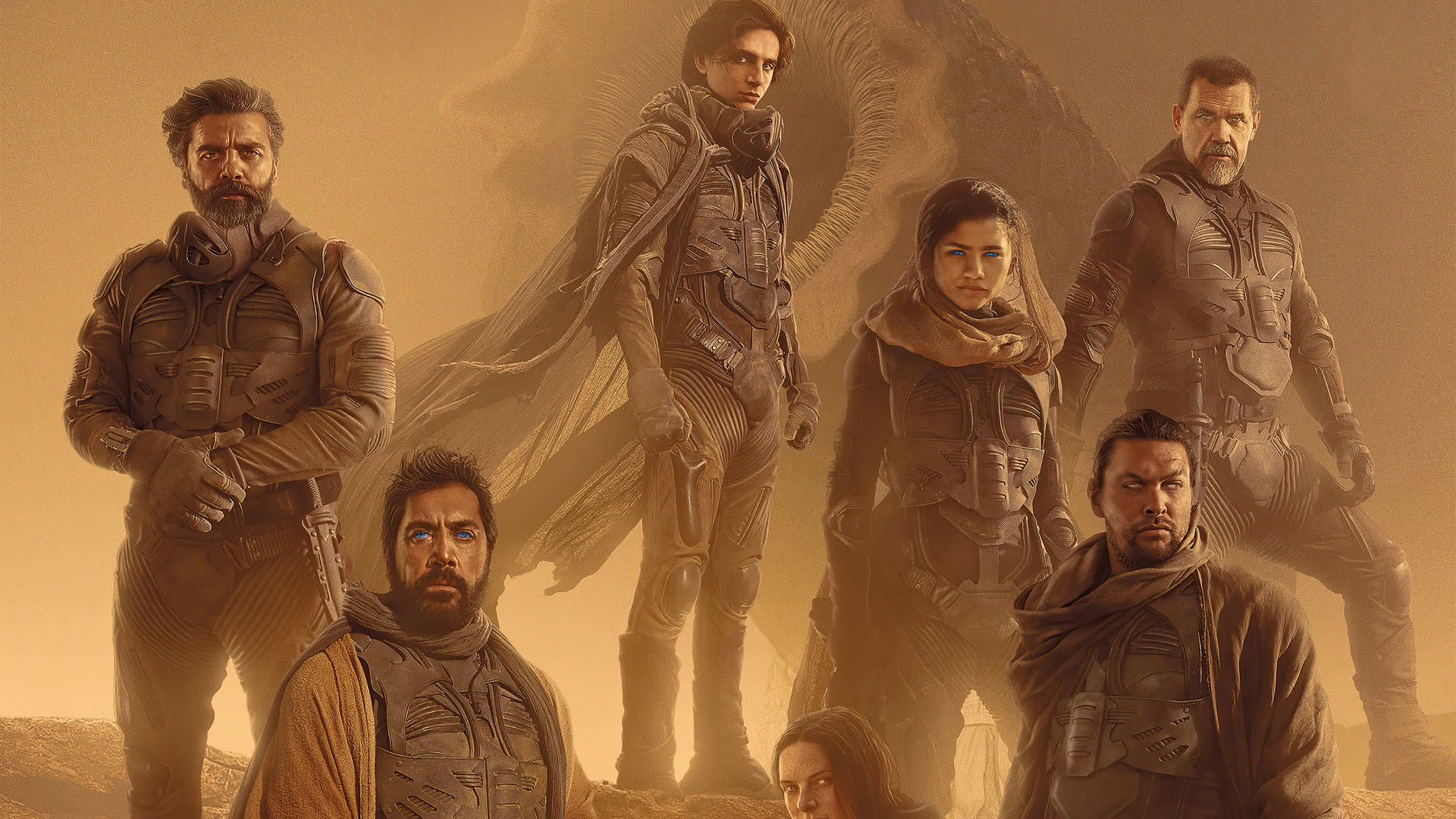
The film’s visual effects are seamless and believable, seamlessly blending practical effects with CGI to create a truly immersive experience. The sandworms, the colossal creatures that roam the deserts of Arrakis, are brought to life with stunning realism. Their scale and power are awe-inspiring, and their presence is a constant reminder of the dangers that lurk beneath the surface of the planet.
The film’s production design is equally impressive. The costumes, sets, and props are all meticulously crafted, reflecting the unique cultures and technologies of the different factions in the "Dune" universe. The Harkonnen’s brutalist architecture stands in stark contrast to the Fremen’s functional and organic dwellings, highlighting the stark differences in their values and ideologies.
Hans Zimmer’s Haunting Score
Hans Zimmer’s score for "Dune: Part Two" is a vital component of the film’s immersive experience. Zimmer expands upon the themes and motifs introduced in the first film, creating a soundscape that is both epic and intimate. The score blends traditional orchestral elements with electronic textures and unconventional instruments, creating a sound that is both familiar and alien.
The music is used to great effect to underscore the film’s emotional beats, enhancing the sense of tension, wonder, and dread. The score is particularly effective in capturing the spiritual and mystical aspects of the Fremen culture, adding depth and resonance to their rituals and beliefs.

New Characters and Expanded Roles
"Dune: Part Two" introduces several new characters who play significant roles in the unfolding drama. Austin Butler delivers a chilling performance as Feyd-Rautha Harkonnen, the sadistic and ruthless nephew of Baron Vladimir Harkonnen. Florence Pugh shines as Princess Irulan, the daughter of Emperor Shaddam IV, who becomes entangled in the political machinations surrounding Paul Atreides. Léa Seydoux makes a brief but memorable appearance as Lady Margot Fenring, a Bene Gesserit with her own hidden agenda.
The film also expands upon the roles of existing characters. Javier Bardem’s Stilgar, the leader of the Fremen tribe that shelters Paul and Jessica, becomes a more prominent figure, serving as a mentor and guide to Paul. Zendaya’s Chani, a Fremen warrior who becomes Paul’s lover and confidante, plays a crucial role in his journey and challenges his messianic ambitions.
Themes of Power, Faith, and Destiny
"Dune: Part Two" delves into complex themes of power, faith, and destiny. The film explores the corrupting influence of power, showing how even the most well-intentioned leaders can be seduced by the allure of control. It examines the dangers of blind faith, highlighting the potential for religious belief to be manipulated and used for destructive purposes.
The film also grapples with the question of destiny. Is Paul Atreides truly destined to become the Lisan al Gaib, the messiah of the Fremen? Or is he simply a product of circumstance, shaped by the machinations of the Bene Gesserit and the expectations of the Fremen? The film leaves these questions open to interpretation, challenging viewers to consider the nature of free will and the forces that shape our lives.
A Few Minor Criticisms
While "Dune: Part Two" is a masterpiece, it is not without its minor flaws. The film’s pacing can feel uneven at times, with certain scenes feeling rushed while others linger for too long. Some viewers may find the film’s complex political landscape and intricate mythology overwhelming, particularly if they are not familiar with the source material.
Additionally, the film’s ending may leave some viewers feeling unsatisfied. While it provides a sense of closure to the immediate story arc, it also sets the stage for future installments, leaving many questions unanswered.
Conclusion: A Cinematic Triumph
Despite these minor criticisms, "Dune: Part Two" is a cinematic triumph. It is a visually stunning, emotionally resonant, and intellectually stimulating film that will stay with you long after the credits roll. Villeneuve has crafted a masterpiece that transcends the science fiction genre, offering a profound meditation on power, faith, and the human condition. This is a film that demands to be seen on the biggest screen possible, with the best sound system available. It is an experience that will transport you to another world and leave you breathless. "Dune: Part Two" is not just a great film; it’s a landmark achievement in cinematic storytelling. It earns a resounding 5 out of 5 stars.
