“Godzilla Minus One: A Harrowing Masterpiece of Post-War Trauma and Atomic Horror
Introduction
On this special occasion, we are delighted to explore the fascinating topic of Godzilla Minus One: A Harrowing Masterpiece of Post-War Trauma and Atomic Horror. Let’s weave together insightful information and offer fresh perspectives for our readers.
Godzilla Minus One: A Harrowing Masterpiece of Post-War Trauma and Atomic Horror

In a year brimming with cinematic spectacles, "Godzilla Minus One" emerges not just as another entry in the legendary kaiju franchise, but as a profound and deeply moving work of art. Directed and written by Takashi Yamazaki, this Japanese production transcends the typical monster movie tropes, delivering a story that is as emotionally resonant as it is visually stunning. Set in post-World War II Japan, a nation grappling with immense loss and devastation, "Godzilla Minus One" uses the iconic monster as a metaphor for the atomic bomb’s lingering trauma, exploring themes of guilt, redemption, and the enduring human spirit in the face of unimaginable adversity.
A Nation Scarred: The Setting as a Character
The film’s setting is as crucial to its narrative as Godzilla himself. Post-war Japan is depicted with unflinching realism. The physical scars of war are everywhere – bombed-out buildings, impoverished communities, and a pervasive sense of hopelessness. But it is the emotional and psychological wounds that Yamazaki masterfully portrays. The survivors are haunted by loss, struggling to find purpose in a world that has been irrevocably changed.
This backdrop provides a stark contrast to the fantastical elements of the film. Godzilla’s appearance isn’t just a monster attack; it’s a manifestation of the collective trauma of a nation. The monster’s destructive rampage mirrors the devastation caused by the atomic bomb, forcing the characters to confront their deepest fears and insecurities.
Kōichi Shikishima: A Protagonist Haunted by Guilt
The film centers around Kōichi Shikishima, played with remarkable depth by Ryunosuke Kamiki. Shikishima is a kamikaze pilot who, plagued by fear, abandons his mission during the final days of the war. Landing on Odo Island, he encounters Godzilla for the first time, but is unable to bring himself to fire his plane’s guns, resulting in the death of all the mechanics stationed there.
Haunted by the guilt of his inaction, Shikishima returns to Tokyo to find his parents dead and his home destroyed. He becomes the reluctant guardian of Noriko Ōishi (Minami Hamabe), an orphaned young woman, and Akiko, an infant she found. As they build a makeshift family, Shikishima grapples with his past, struggling to find redemption and a reason to live in a world that seems determined to crush him.
Shikishima’s internal conflict is the emotional heart of the film. He is not a traditional hero, but a flawed and broken man trying to find his place in a world that has no place for him. His journey is one of self-discovery, as he learns to confront his fears, accept responsibility for his actions, and ultimately, find the courage to fight for a future worth living.
Godzilla: A Force of Nature and a Metaphor for Atomic Horror
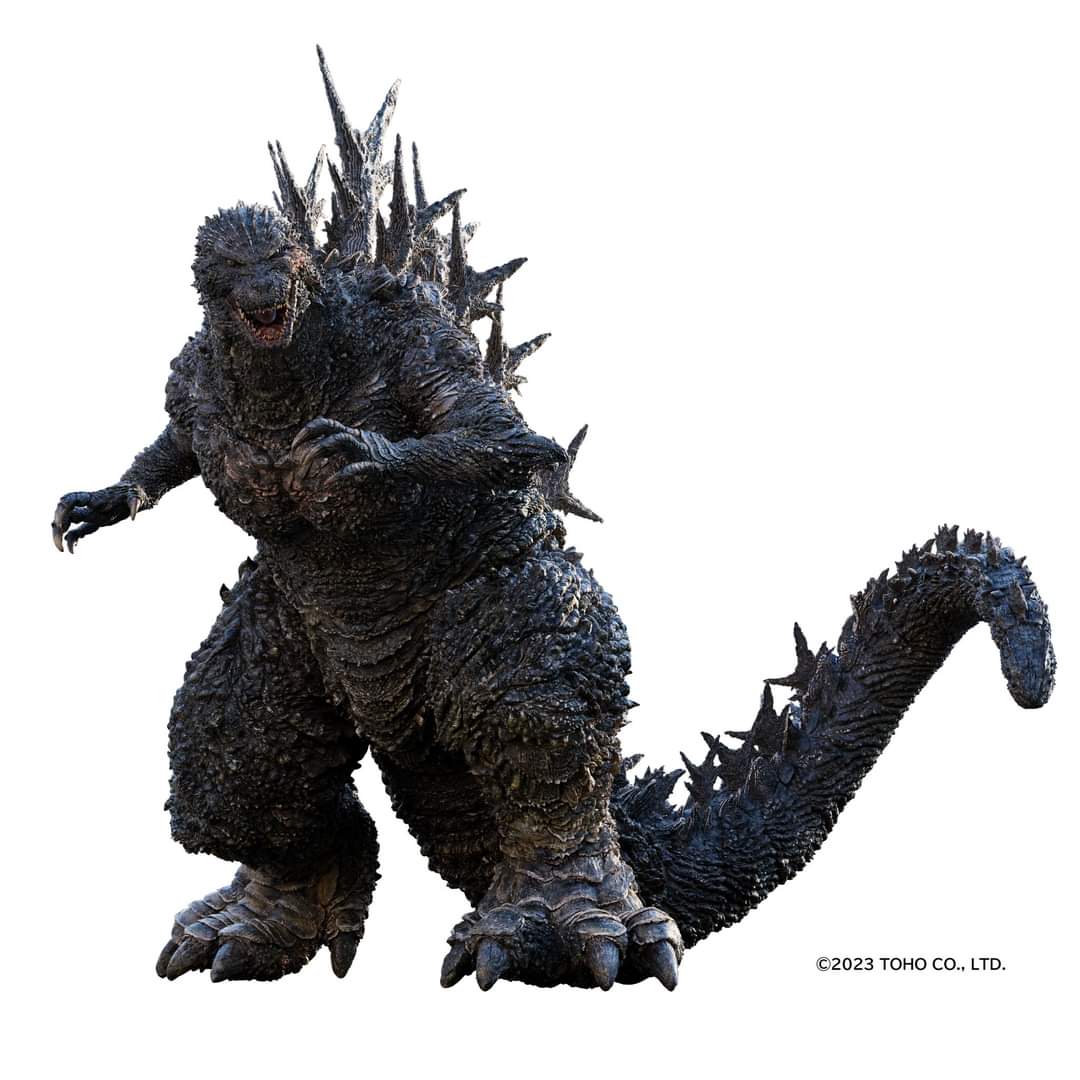
In "Godzilla Minus One," the titular monster is not merely a giant reptile wreaking havoc. He is a force of nature, a walking embodiment of the destructive power unleashed upon Japan during the war. Yamazaki’s Godzilla is terrifyingly realistic, with a design that harkens back to the classic Toho monsters while incorporating modern visual effects.

The film doesn’t shy away from depicting the sheer scale of Godzilla’s destruction. The scenes of the monster rampaging through Tokyo are both awe-inspiring and horrifying. But beyond the spectacle, Godzilla serves as a potent metaphor for the atomic bomb. His atomic breath, a destructive blast of energy, mirrors the devastation caused by the nuclear attacks on Hiroshima and Nagasaki.
Moreover, Godzilla represents the lingering trauma of war. He is a constant reminder of the destruction and loss that the Japanese people have endured. His presence forces the characters to confront their past and grapple with the psychological scars of war.
Supporting Characters: A Tapestry of Human Resilience
While Shikishima is the central protagonist, the supporting characters in "Godzilla Minus One" are equally compelling. Noriko, played with strength and vulnerability by Minami Hamabe, provides Shikishima with a sense of purpose and a reason to fight. She is a symbol of hope in a world of despair, reminding him that even in the darkest of times, there is still beauty and kindness to be found.
Kenji Noda (Hidetaka Yoshioka), Shikishima’s former superior officer, is another important character. He is a brilliant engineer who is determined to find a way to defeat Godzilla. Noda represents the ingenuity and resilience of the Japanese people, their ability to overcome seemingly insurmountable challenges through innovation and collaboration.
Akitsu (Kuranosuke Sasaki), the gruff but kind captain of a salvage ship, provides Shikishima with a job and a sense of community. He embodies the spirit of camaraderie and mutual support that helped the Japanese people rebuild their lives after the war.
These supporting characters add depth and nuance to the film, highlighting the importance of human connection and the power of collective action in the face of adversity.
Visual Spectacle and Emotional Resonance: A Perfect Balance
"Godzilla Minus One" is a triumph of visual effects. The scenes of Godzilla’s rampage are breathtaking, showcasing the monster’s power and scale with stunning realism. The film’s cinematography is equally impressive, capturing the beauty and desolation of post-war Japan with a keen eye for detail.
However, what truly sets "Godzilla Minus One" apart is its ability to balance visual spectacle with emotional resonance. The film is not just about monster battles; it’s about the human cost of war and the enduring power of the human spirit. The characters are well-developed, their motivations are clear, and their struggles are deeply relatable.

Yamazaki masterfully weaves together the fantastical elements of the Godzilla story with the historical context of post-war Japan, creating a film that is both entertaining and thought-provoking. The action sequences are thrilling, but they are always grounded in the emotional reality of the characters.
Themes of Guilt, Redemption, and the Will to Live
"Godzilla Minus One" explores several important themes, including guilt, redemption, and the will to live. Shikishima’s journey is a testament to the power of redemption. He is haunted by the guilt of his inaction during the war, but he ultimately finds a way to atone for his mistakes by fighting for a better future.
The film also emphasizes the importance of human connection. Shikishima’s relationship with Noriko and Akiko gives him a reason to live and fight. He learns that even in the face of unimaginable loss, there is still hope and love to be found.
Ultimately, "Godzilla Minus One" is a celebration of the human spirit. It is a reminder that even in the darkest of times, we have the power to overcome adversity and build a better future.
A New Standard for Kaiju Films
"Godzilla Minus One" is not just a great Godzilla movie; it’s a great movie, period. It sets a new standard for kaiju films, demonstrating that these stories can be both visually spectacular and emotionally resonant. Yamazaki’s film is a masterpiece of storytelling, visual effects, and thematic depth.
The film’s success is a testament to the power of Japanese cinema. "Godzilla Minus One" is a uniquely Japanese story, rooted in the country’s history and culture. It is a film that could only have been made by a Japanese filmmaker, and it is a film that will resonate with audiences around the world.
Conclusion: A Must-See Cinematic Experience
"Godzilla Minus One" is a cinematic experience that should not be missed. It is a powerful and moving film that will stay with you long after the credits roll. Whether you’re a longtime Godzilla fan or a newcomer to the franchise, you will be captivated by this stunning and thought-provoking film. It’s a triumph of filmmaking, a testament to the resilience of the human spirit, and a powerful reminder of the enduring legacy of the atomic bomb. "Godzilla Minus One" is not just a monster movie; it’s a masterpiece of post-war cinema.
